

Do Appetite Stimulating Medicines Really Work?
Yes, appetite stimulating medicines can increase hunger in selected patients, but they are not suitable for everyone.
These medicines are mainly prescribed for people who have lost their appetite because of:
* Cancer
* Chemotherapy
* Chronic liver disease
* Kidney failure
* HIV/AIDS
* Tuberculosis
* Advanced age
* Severe infections
* Depression
* Neurological disorders
If appetite loss is caused by an untreated medical condition, simply taking an appetite stimulant may not solve the problem. The underlying cause should always be identified first.
⸻
What Are Appetite Stimulating Medicines?
Appetite stimulants are medications that increase the desire to eat.
Some act on the brain’s hunger center, while others influence hormones that regulate appetite or reduce nausea so patients can eat better.
They are usually prescribed when poor appetite leads to:
* Weight loss
* Malnutrition
* Muscle loss
* Weakness
* Delayed recovery after surgery
* Reduced quality of life
⸻
Most Common Questions People Ask on Google
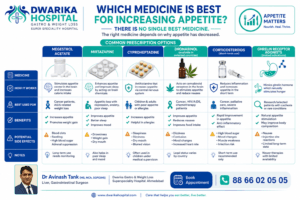
1. Which medicine is best for increasing appetite?
There is no single best medicine.
The right medicine depends on why appetite has decreased.
Common prescription options include:
* Megestrol acetate
* Mirtazapine
* Cyproheptadine
* Dronabinol (available in selected countries)
* Corticosteroids (short-term use)
* Ghrelin receptor agonists (limited indications)
Each has different benefits and side effects.
⸻
2. Can adults take appetite stimulants?
Yes.
Doctors may prescribe appetite stimulants for adults experiencing:
* Significant unexplained weight loss
* Cancer cachexia
* Chronic illness
* Elderly frailty
* Recovery after major surgery
Healthy adults wanting to gain weight should generally avoid these medicines unless medically indicated.
⸻
3. Are appetite stimulants safe?
They can be safe when prescribed appropriately.
However, they may cause:
* Blood clots
* Fluid retention
* Sleepiness
* Increased blood sugar
* Weight gain due to fat rather than muscle
* Mood changes
* Hormonal effects
Self-medication is not recommended.
⸻
4. Can appetite stimulants cause weight gain?
Yes.
Most appetite stimulants increase calorie intake, leading to weight gain.
However:
* Some increase body fat.
* Some improve muscle mass indirectly.
* Some mainly increase water retention.
Healthy weight gain requires adequate protein and exercise, not medication alone.
⸻
Why Does Appetite Decrease?
Poor appetite is a symptom—not a disease.
Common causes include:
Medical causes
* Liver disease
* Chronic pancreatitis
* Gastritis
* Stomach ulcers
* Gallbladder disease
* Cancer
* Chronic infections
* Kidney disease
* Heart failure
Psychological causes
* Anxiety
* Depression
* Stress
* Eating disorders
Medication-related causes
Certain medicines reduce appetite, including:
* Chemotherapy drugs
* Some antibiotics
* Digoxin
* Certain diabetes medications
* GLP-1 receptor agonists
* Pain medicines
⸻
How Does Appetite Normally Work?
Appetite is controlled by a complex interaction between:
* Brain (hypothalamus)
* Stomach
* Small intestine
* Fat tissue
* Hormones
Important hormones include:
* Ghrelin
* Leptin
* Insulin
* GLP-1
* Peptide YY
* Cholecystokinin
When this system is disturbed by illness, appetite decreases.
⸻
Types of Appetite Stimulating Medicines
1. Megestrol Acetate
Best for
* Cancer patients
* AIDS-related weight loss
Advantages
* Strong appetite stimulation
* Weight gain
Side effects
* Blood clots
* Swelling
* High blood sugar
* Adrenal suppression
⸻
2. Mirtazapine
Originally developed as an antidepressant.
Useful when poor appetite is associated with:
* Depression
* Anxiety
* Sleep problems
Benefits include:
* Better sleep
* Increased appetite
* Weight gain
⸻
3. Cyproheptadine
An antihistamine that can increase appetite.
Commonly used in:
* Children
* Selected adults
Possible side effects:
* Sleepiness
* Dry mouth
* Dizziness
⸻
4. Corticosteroids
Examples:
* Dexamethasone
* Prednisolone
Used mainly for:
* Cancer
* Palliative care
Long-term use is generally avoided because of multiple complications.
⸻
5. Dronabinol
A cannabinoid medicine.
Used in selected countries for:
* HIV/AIDS
* Chemotherapy patients
Possible side effects include dizziness, confusion, and mood changes.
⸻
Who Should Not Take Appetite Stimulants?
These medicines may not be suitable for people with:
* History of blood clots
* Severe heart disease
* Pregnancy
* Certain cancers
* Uncontrolled diabetes
* Severe liver disease
* Allergies to the medication
Always consult a doctor before use.
⸻
Natural Ways to Improve Appetite
Many people improve without medication.
Strategies include:
Eat smaller meals more often
Instead of three large meals, eat five to six smaller meals daily.
⸻
Increase protein intake
Include:
* Eggs
* Fish
* Chicken
* Lentils
* Paneer
* Greek yogurt
⸻
Improve meal timing
Eat when hunger is strongest.
⸻
Physical activity
Light exercise often increases appetite naturally.
⸻
Manage stress
Reducing anxiety can significantly improve appetite.
⸻
Treat underlying digestive problems
Conditions like:
* Gastritis
* Gallstones
* Acid reflux
* Liver disease
can reduce appetite and should be addressed.
⸻
Are Appetite Stimulants Used in Cancer Patients?
Yes.
Cancer-related weight loss (cachexia) is common.
Treatment usually combines:
* Nutrition therapy
* Protein supplementation
* Appetite stimulants
* Treatment of the cancer
* Physical rehabilitation
Medication alone is rarely enough.
⸻
Appetite Loss in Older Adults
Older adults often eat less because of:
* Reduced taste
* Dental problems
* Chronic diseases
* Multiple medications
* Depression
Treatment focuses on correcting reversible causes before considering medication.
⸻
Can Appetite Stimulants Help After Surgery?
Sometimes.
After major gastrointestinal surgery, temporary appetite loss is common.
Doctors usually recommend:
* Early mobilization
* High-protein nutrition
* Nutritional supplements
* Gradual diet progression
Medicines are considered only if recovery is significantly delayed.
⸻
Frequently Asked Questions (FAQ)
What is the fastest medicine to increase appetite?
Megestrol acetate often has a noticeable effect within days to weeks in appropriate patients, but it should only be used under medical supervision.
⸻
Can vitamins increase appetite?
Vitamin deficiencies (such as zinc or certain B vitamins) can reduce appetite. Correcting a deficiency may improve appetite, but vitamins do not generally stimulate appetite in people with normal levels.
⸻
Is there an over-the-counter appetite stimulant?
Some herbal products claim to increase appetite, but strong scientific evidence is limited. Prescription medications are more effective and should be used only when medically indicated.
⸻
Can appetite stimulants be taken long term?
Some can be used for extended periods in selected patients, but long-term treatment requires regular monitoring for side effects and ongoing assessment of whether the benefits outweigh the risks.
⸻
Should children take appetite stimulants?
Only under the guidance of a pediatrician. Most children with poor appetite require evaluation for nutritional, developmental, or medical causes rather than routine medication.
⸻
When Should You See a Doctor?
Seek medical evaluation if appetite loss:
* Lasts more than two weeks
* Is accompanied by unexplained weight loss
* Causes weakness or dehydration
* Is associated with persistent vomiting or difficulty swallowing
* Occurs with blood in the stool or black stools
* Is accompanied by jaundice, severe abdominal pain, or fever
Early diagnosis is essential because appetite loss can be an early sign of serious disease.
⸻
Key Takeaways
* Appetite stimulating medicines can help selected patients with illness-related loss of appetite.
* They are not intended for healthy people simply wanting to gain weight.
* Identifying and treating the underlying cause of poor appetite is the most important step.
* Lifestyle measures and nutritional support are often effective and may reduce the need for medication.
* These medicines should always be used under medical supervision due to potential side effects.
⸻
About Dr. Avinash Tank
Dr. Avinash Tank is a senior Gastrointestinal, Liver, Pancreatic, and Bariatric Surgeon in Ahmedabad with over 20 years of experience.
He specializes in diagnosing and treating digestive disorders, unexplained weight loss, gastrointestinal cancers, and nutrition-related surgical conditions.
If you have persistent loss of appetite or unexplained weight loss, a thorough evaluation can help identify the underlying cause and guide the most appropriate treatment.

Super-specialist GI, bariatric & cancer surgeon. SGPGIMS (India's premier GI centre) + advanced training in Japan & South Korea. Read full profile →
Last reviewed: July 2026



Comments
Be the first to share your thoughts on this article.