

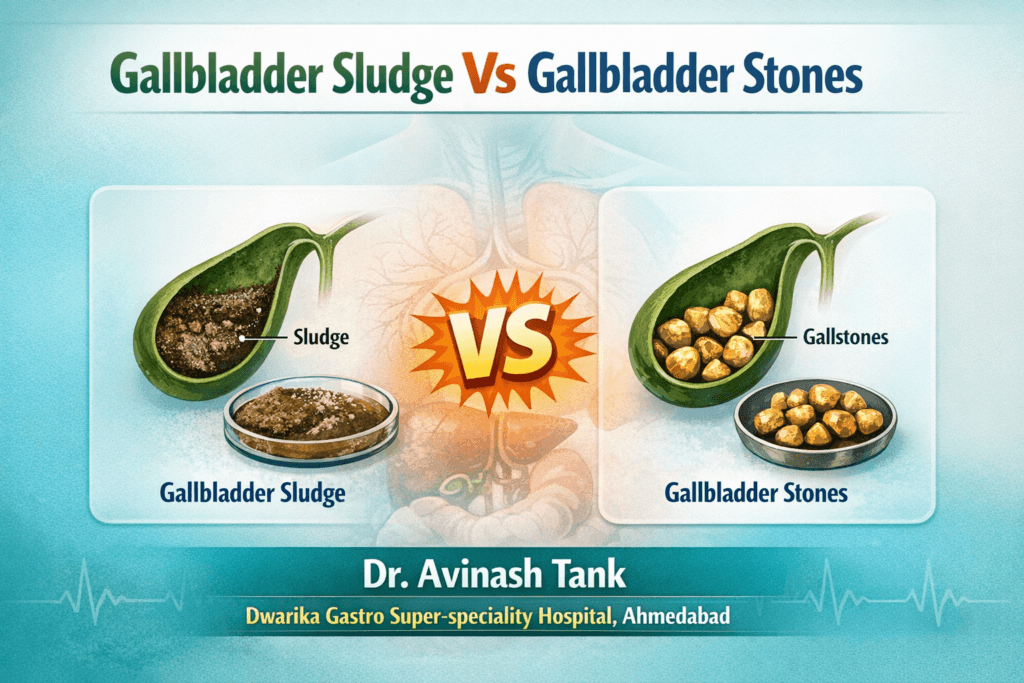
Gallbladder Sludge vs. Gallstones: Understanding the Difference. The gallbladder, a pear-shaped organ nestled beneath your liver, plays a vital role in digestion by storing and concentrating bile.
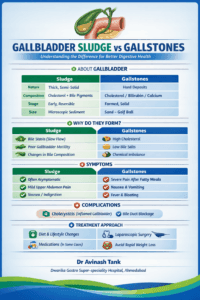
However, sometimes irregularities can occur within the bile, leading to the formation of either gallbladder sludge or gallstones.
While both can cause issues, they differ significantly in their composition and potential consequences.
Let’s delve into the world of gallbladder sludge and gallstones, exploring their key differences and implications for your health.
Unveiling the Compositional Divide: Sludge vs. Stones
-
Gallbladder Sludge:
This is a thick, semi-solid mixture of cholesterol crystals, bile pigments, and mucus that accumulates within the gallbladder. It often appears like sediment at the bottom of the gallbladder.
-
Gallstones:
These are hardened deposits of cholesterol, bilirubin (waste product from red blood cells), or calcium salts that form within the gallbladder. They can vary in size, ranging from a grain of sand to a golf ball.
Understanding Formation: The Road to Gallbladder Issues
-
Gallbladder Sludge:
The exact cause of sludge formation is not fully understood, but factors like bile stasis (impaired flow), changes in bile composition, and decreased gallbladder motility (contraction) can contribute.
-
Gallstones:
These form when bile becomes supersaturated with cholesterol or bilirubin. This can occur due to high cholesterol levels in bile, insufficient bile salts, or rapid changes in bile composition.
Symptoms and Complications: Gallbladder Sludge vs. Gallstones
-
Gallbladder Sludge:
Often asymptomatic, meaning it doesn’t cause any noticeable symptoms. However, some individuals may experience vague upper right abdominal pain, nausea, or indigestion.
-
Gallstones:
These can cause a variety of symptoms, including:
- Upper right abdominal pain, especially after fatty meals (gallbladder attack)
- Nausea and vomiting
- Belching
- Feeling full or bloated
- Indigestion
- Fever and chills (if inflammation occurs)
In severe cases, gallstones can lead to complications like cholecystitis (inflammation of the gallbladder) or choledocholithiasis (gallstones blocking the bile duct).
Treatment Options: Addressing Gallbladder Issues
-
Gallbladder Sludge:
While there’s no specific treatment for sludge, lifestyle modifications like weight management and a healthy diet can be beneficial. In some cases, medications to dissolve cholesterol may be prescribed.
-
Gallstones:
Depending on the severity of symptoms and presence of complications, treatment options may include:
- Medication: Medications to dissolve cholesterol gallstones may be used in specific cases.
- Laparoscopic Cholecystectomy: This minimally invasive surgery is the most common treatment for symptomatic gallstones and involves removing the gallbladder.
Conclusion: Early Detection and Management is Key
Both gallbladder sludge and gallstones can present health concerns, but they differ significantly. While sludge may not cause any symptoms and sometimes resolves on its own, gallstones can lead to painful episodes and complications.
It’s crucial to consult your doctor if you experience symptoms suggestive of gallbladder issues.
Early diagnosis and appropriate management can prevent complications and promote overall digestive health.
Remember, a healthy diet and maintaining a healthy weight can contribute to a healthy gallbladder and potentially reduce the risk of both sludge and gallstones.
🩺 Consultation & Appointment
Experiencing symptoms like abdominal pain, bloating, or discomfort after meals? Don’t ignore the early signs of gallbladder disease.
Timely diagnosis and expert care can help prevent complications and avoid unnecessary suffering.
👉 Consult Dr Avinash Tank – Gastro & Liver Specialist
Dwarika Gastro Super-speciality Hospital, Ahmedabad
✔️ Expert evaluation for gallbladder sludge & gallstones
✔️ Advanced diagnostic and treatment options
✔️ Personalized diet and lifestyle guidance
📞 Book Your Appointment Today
Take the first step towards better digestive health.
👉 Call: 88 66 02 05 05
👉 WhatsApp: 88 66 02 05 05
💡 Why Choose Us?
- Specialized care in Gastroenterology & Liver diseases
- Expertise in minimally invasive (laparoscopic) procedures
- Patient-centered, evidence-based treatment approach
Your health matters. Early consultation can make a big difference.

Super-specialist GI, bariatric & cancer surgeon. SGPGIMS (India's premier GI centre) + advanced training in Japan & South Korea. Read full profile →
Last reviewed: June 2026



Comments
Be the first to share your thoughts on this article.